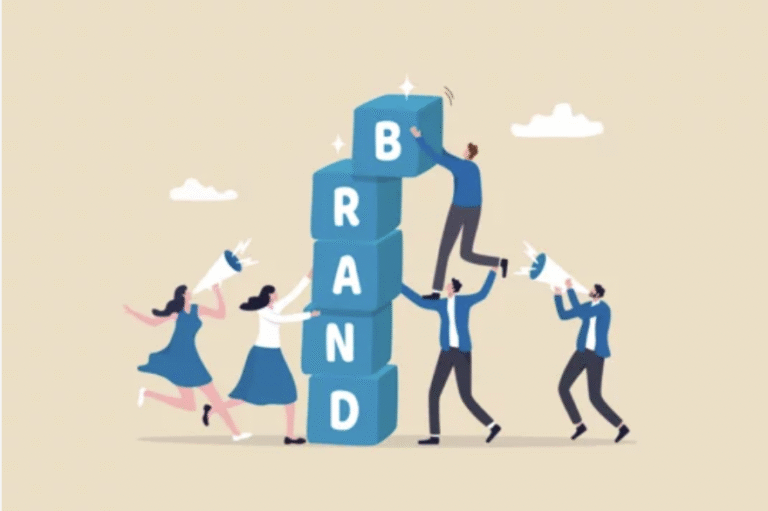


Digital marketing has evolved rapidly, but one thing has become clear—ethics matter more than ever. Consumers today are smarter, more aware, and more selective. They don’t just buy products; they support brands that reflect their values. This is why ethical marketing has become a key driver of long-term brand trust.
Ethical marketing focuses on honesty, transparency, and responsibility. Instead of exaggerating claims or manipulating emotions, ethical brands communicate truthfully and respect their audience’s intelligence. This approach builds credibility, which is the most valuable asset in the digital age.
One major benefit of ethical marketing is customer loyalty. When people trust a brand, they are more likely to return, recommend it to others, and defend it during challenges. Trust-driven relationships outperform short-term marketing tactics that prioritize quick sales over long-term value.
Influencer marketing, when done ethically, plays a powerful role in this process. Authentic influencers who genuinely believe in a product create more meaningful impact than scripted advertisements. Their audiences recognize sincerity, and that sincerity translates into action.
Ethical marketing also reduces reputational risk. Misleading campaigns, fake reviews, or inappropriate partnerships can permanently damage a brand. Ethical guidelines protect businesses from public backlash and ensure consistent brand integrity across platforms.
From an SEO and performance perspective, ethical marketing aligns with sustainable growth. Genuine engagement, real feedback, and organic conversations lead to better retention and stronger digital presence over time.
In an era of digital noise, ethical marketing cuts through by focusing on what truly matters—trust, value, and authenticity. Brands that prioritize ethics today are building relationships that will last for years to come.